Jewellery Patina: When Tarnishing Is Intentional
You wear a heavy silver chain or a distinctive ring and notice a dark discolouration on the surface after some time. Is this a flaw you need to remove immediately? Not necessarily. In the world of statement jewellery, patina is often regarded as a sign of character and lived style. The question is: When does tarnishing enhance the impact of your jewellery, and when should you reach for the polish?
What Patina Actually Means
Patina refers to the natural oxidation layer that forms on metals such as silver, bronze or brass. In silver, a dark, often brownish-black layer develops through reaction with sulphur compounds in the air. This discolouration is not a sign of inferior quality, but a chemical process that is inevitable with genuine silver. Particularly with Men's Jewelry featuring pronounced reliefs or engraved details, patina can enhance the depth effect: the dark areas in recesses set raised surfaces in high contrast.
Intentional Patina as a Stylistic Device
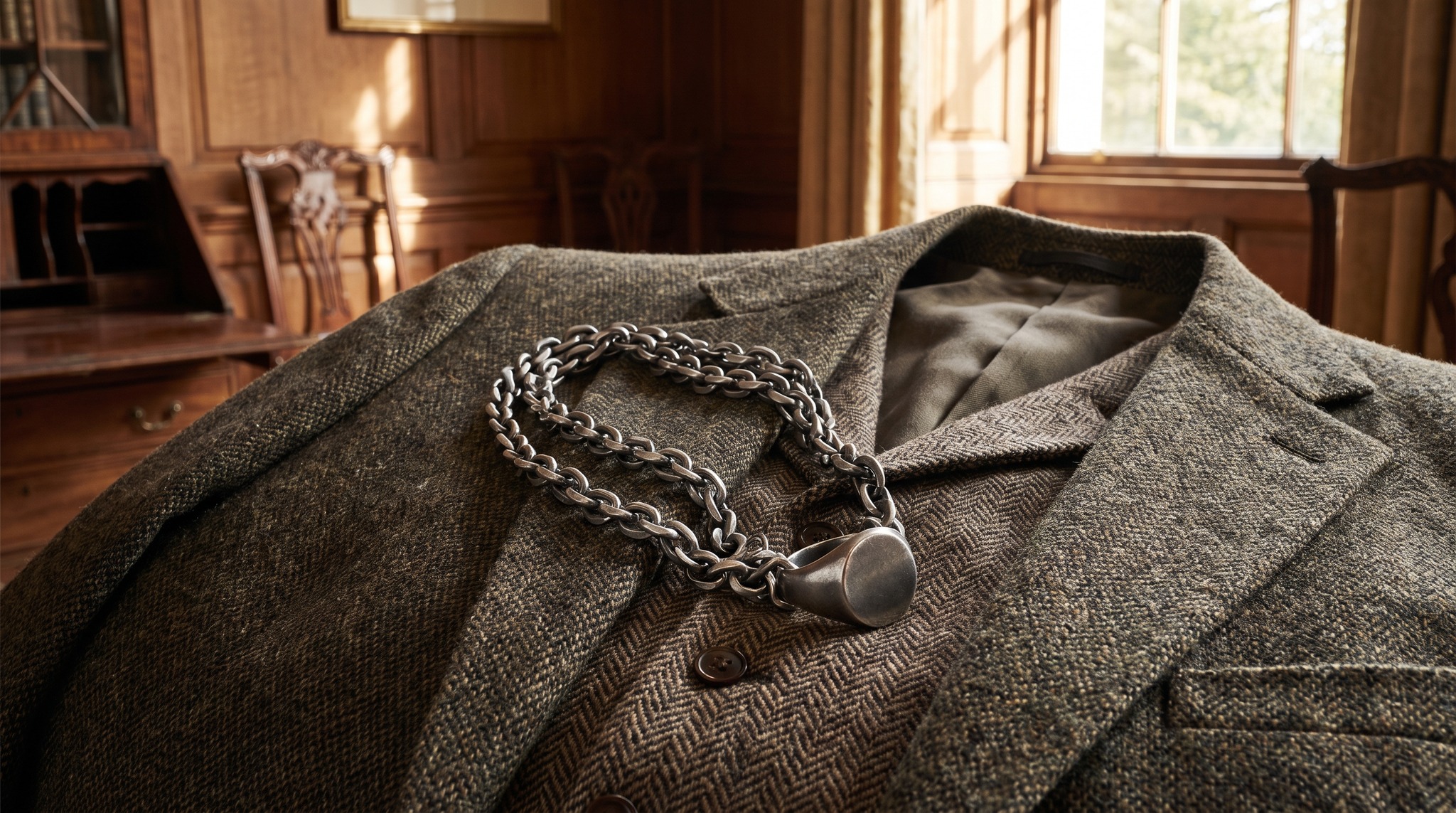
In vintage fashion and jewellery pieces in the style of the 1920s, controlled patina is a deliberate design element. Signet rings, skull pendants or heavy curb chains gain drama through slight tarnishing and appear less new, but more authentic. Many manufacturers even offer artificially oxidised pieces where the patina has been deliberately applied. The result: a used look that tells stories without you having to wait for years.
When You Should Polish
Not all tarnishing is desirable. With filigree designs or high-gloss polished surfaces, extensive patina often appears neglected rather than characterful. You should also take action if the discolouration is uneven or leaves greenish traces. Suitable cleaning methods include:
- Special silver polishing cloths for regular care
- Warm water with mild soap for light soiling
- Professional dipping solutions for heavy tarnishing
- Sodium bicarbonate and aluminium foil method for large pieces
Preserving Patina Deliberately
If you wish to preserve the patina in the recesses of your jewellery, polish only the raised surfaces. Use a soft cloth and work with gentle pressure. This maintains the contrast whilst the main surfaces regain their shine. This technique works particularly well with rings bearing coats of arms or chains with textured links.
Storage and Prevention
Airtight storage considerably slows oxidation. Keep your Men's Jewelry in sealable bags or boxes with anti-tarnish inserts. Avoid contact with perfume, perspiration or chlorinated water. If you wish to develop patina deliberately, leave selected pieces exposed or wear them frequently: body heat and skin contact accelerate the process naturally.
The Balance Between Care and Character
Ultimately, you decide how your jewellery should appear. A completely tarnished ring can be just as stylish as a highly polished one, provided the choice suits your overall appearance. With statement pieces in zoot suit style, controlled patina often emphasises the theatricality and vintage character. Feel free to experiment: jewellery thrives on being worn and given your personal touch.
Related items: Suits, Suits and jackets, baroque mirrors. The complete range: Men's Fashion and Accessories.
All Il Padrino Moda news at a glance
Related categories: Suits, Suits and jackets, baroque mirrors. The full range: Men's Fashion and Accessories.
Read more: Suit Jacket Vent: Centre, Side or None, Suitcase Lining: Fabric, Padding and Odour Neutrality, Polishing men's jewellery: when to choose high gloss, when to keep matte patina, Selecting a Baroque Armchair: Upholstery, Wood Carving, Stability, Luggage Size: Carry-On, Checked Baggage, Weekend Bag