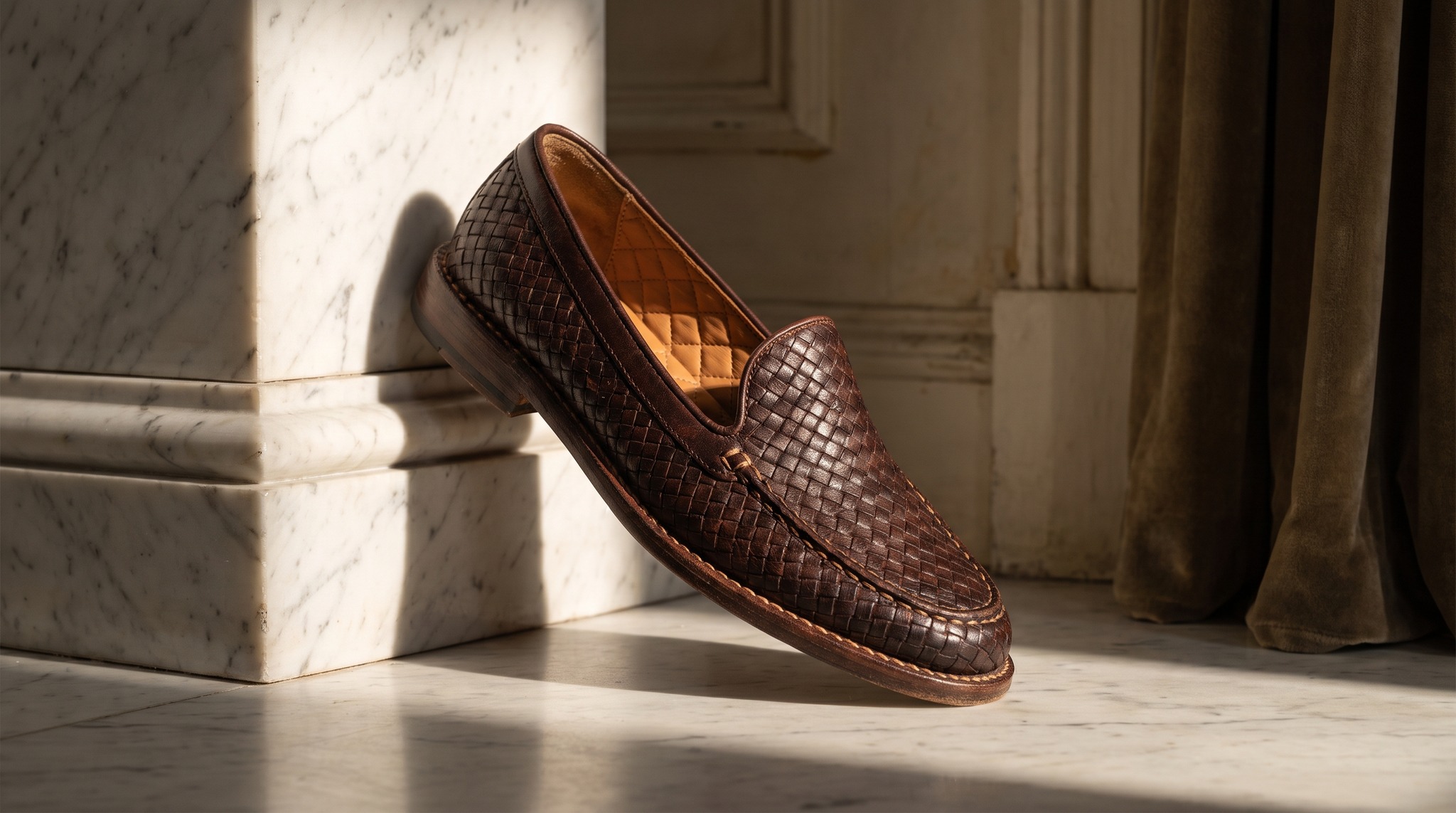
Slipper Insole: Leather, Cushioning or Footbed
When purchasing a slipper, you probably focus first on the upper material, colour and cut. Yet the insole determines how the shoe feels after hours of wear. Leather, cushioning or anatomical footbed: each variant brings its own characteristics that influence comfort, breathability and durability. Which insole suits your style and requirements?
Smooth Leather Sole for Classic Elegance
The insole made of smooth leather is considered the traditional choice in high-quality men's shoes. It moulds to the individual foot shape over time and develops a personal fit. Leather regulates moisture naturally, transports perspiration outwards and ensures a pleasant foot climate. This variant is particularly used in Luxury Slippers because it emphasises the material quality of the entire shoe. The disadvantage: initially the sole can feel hard until it is broken in.
Cushioned Insoles for Immediate Comfort
Cushioning made of foam or latex offers a soft wearing sensation from the first minute. These soles cushion the step and relieve the heel and ball of the foot. For long evenings on stage or whilst dancing, this can be a decisive advantage. However, the material compresses over time, whereby the cushioning effect diminishes. Furthermore, synthetic cushioning retains moisture more strongly than leather, which leads to a less fresh foot climate with intensive use.
Anatomical Footbed with Support Function
A preformed footbed follows the natural arch of the foot and supports the longitudinal arch. This construction distributes body weight more evenly and can prevent fatigue symptoms. For people who stand or walk a great deal, an anatomical footbed offers noticeable added value. However, this variant requires a precise fit: if the footbed does not sit exactly, pressure points can develop. With slippers of narrow cut, a pronounced footbed is also more difficult to integrate.
Material Thickness and Sole Construction
The thickness of the insole influences the spatial sensation in the shoe. Thin leather soles with two to three millimetres thickness provide direct ground contact and a sporty wearing sensation. Cushioned variants often measure five to eight millimetres and thereby reduce the interior height. Pay attention to whether the sole is firmly glued or loosely inserted:
- Glued soles offer stability and do not slip
- Loose insoles can be removed for airing or exchanged for orthopaedic models
- Multi-layer constructions combine a thin leather layer on top with cushioning underneath
Care Extends the Lifespan
Leather soles benefit from occasional airing and the use of cedarwood shoe trees that absorb moisture. You should regularly check cushioned insoles for wear: if hollows or compressed areas appear, the support effect diminishes. You can wipe removable insoles with a damp cloth if required and allow them to dry completely. Avoid direct heat sources such as radiators, as both leather and cushioning materials become brittle as a result.
The Right Choice for Your Purpose
For formal occasions and short wearing times, a classic leather sole suffices, combining elegance and breathability. If you wear the slipper for many hours or dance, a cushioned variant offers more comfort. An anatomical footbed is recommended if you are prone to foot complaints or place particular value on support function. Ultimately, the ideal insole depends on your individual foot shape, your usage scenario and your preference for tradition or functionality.
Related items: Pleated trousers, Accessoires, Caps. The complete range: Menswear and Accessories.
All Il Padrino Moda news at a glance
Related categories: Pleated trousers, Accessoires, Caps. The full range: Men's Fashion and Accessories.
Read more: Leather Travel Bag: Checking Handles, Seams, and Reinforcements, Jewellery on Aeroplanes: Hand Luggage or Worn on the Body, Cap Shape: Flat, Curved or with Button on Top, Women's Jewellery in a Masculine Style: Wearing Chains, Rings and Bangles with Confidence, Cap Material: Wool, Linen or Cotton Depending on the Season