Slipper Sole: Leather or Rubber for Dance Floor and Pavement
You are faced with the choice between leather sole and rubber sole and wonder which variant suits your style and occasions. The sole determines grip, glide, durability and performance on different surfaces. Those who wear their slippers on the dance floor, in clubs or on asphalt require different properties. We show you what matters.
Leather Sole: Elegance and Ease of Turning
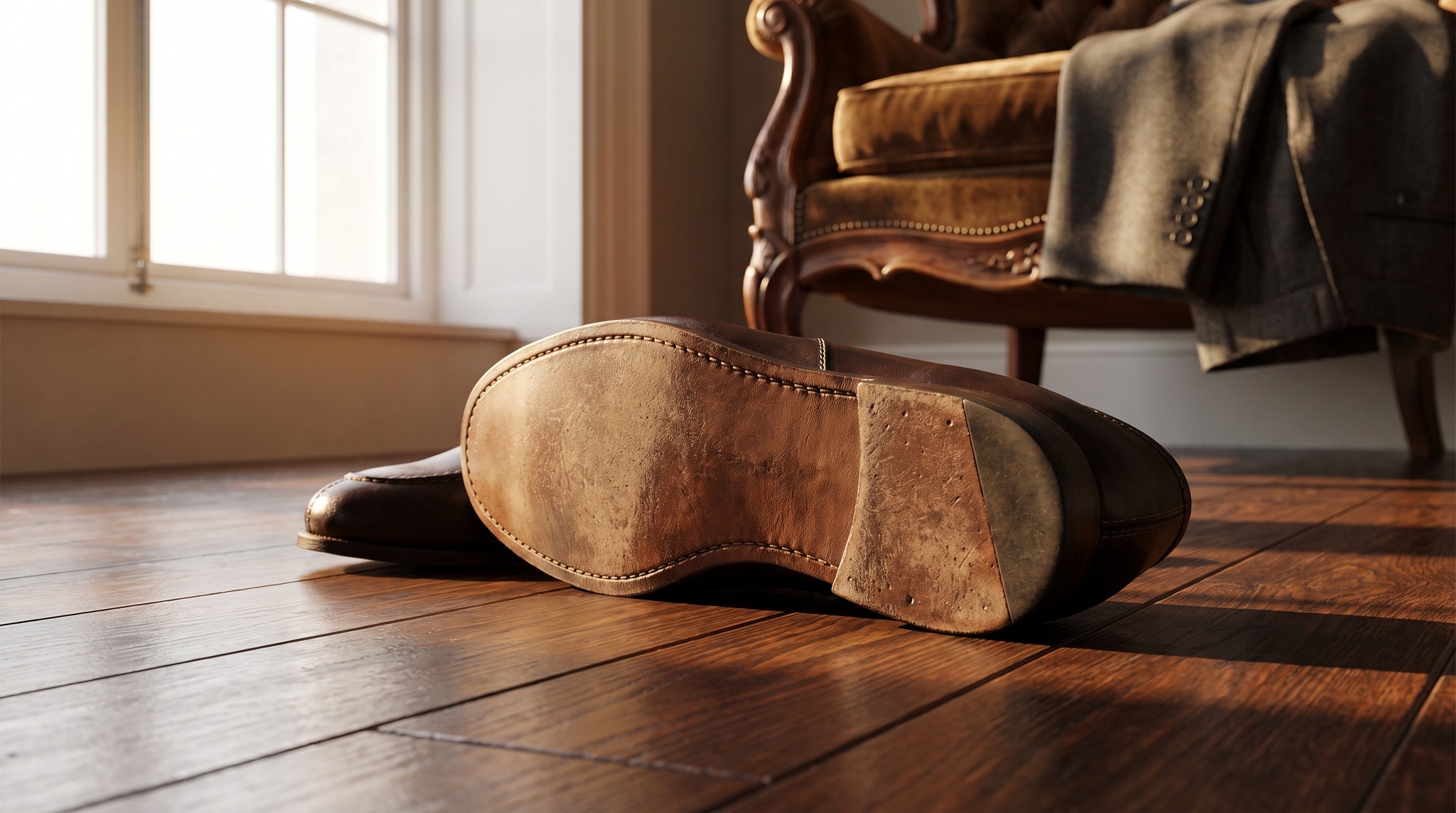
The leather sole is considered the classic choice for formal occasions and dance floors. It allows controlled gliding, which is crucial for swing, Lindy Hop or Charleston. On polished wooden floors or parquet, the foot turns effortlessly without sticking. At the same time, high-quality leather offers sufficient grip to stand securely. Visually, the slim leather sole emphasizes the elegant silhouette of a slipper, especially on pointed models in the style of the 1920s.
Disadvantage: leather soles wear out more quickly on rough surfaces. Cobblestones, concrete or wet leaves take their toll. Those who wear their Luxury Slippers exclusively indoors benefit from the breathability and natural foot climate. For outdoor use, sole protection or a rubber sole is recommended.
Rubber Sole: Grip for Pavement and All Weather
Rubber soles offer significantly more traction on smooth and wet surfaces. They are more hard-wearing, weatherproof and suitable for daily use on the street. Modern rubber compounds can be worked thin yet remain robust. For stage performers who move between backstage, entrance and taxi, the rubber sole is the practical choice. It protects the slipper and extends its lifespan considerably.
On the dance floor, however, a rubber sole can create too much grip. Turns become more difficult, the foot adheres more strongly to the floor. Those who primarily dance should opt for the leather sole or rely on hybrid solutions: rubber on heel and ball, leather in the middle.
Sole Thickness and Flexibility
The thickness of the sole influences the wearing comfort. Thin leather soles between 3 and 4 millimeters offer direct ground contact and flexibility. They adapt to the foot and allow smooth rolling. Rubber soles usually range between 5 and 8 millimeters, but can be equally flexible if the compound is right. Look for a continuous sole without an overly rigid intermediate layer, so that the slipper works naturally when walking.
Care and Resoling
Leather soles can be resoled without difficulty. A cobbler can replace the worn sole without damaging the structure of the slipper. Rubber soles last longer but are more difficult to renew. Regular brushing removes dirt from the tread, with leather occasional rubbing with leather grease prevents drying out. Those who are frequently on the move can have toppies or rubber patches glued to the leather sole: this protects the vulnerable points and noticeably extends the lifespan.
Which Sole for Which Occasion
For dance events, stage performances and elegant dinners, the leather sole is the first choice. It suits the extravagant appearance and supports movement. For everyday wear, club visits with outdoor areas or changing surfaces, the rubber sole is recommended. Those who need both keep two pairs of slippers ready or have a leather sole reinforced with rubber patches. This way you combine style with function, without compromising on performance.
Related items: Pleated trousers, Accessoires, Caps. The complete range: Menswear and Accessories.
All Il Padrino Moda news at a glance
Related categories: Pleated trousers, Accessoires, Caps. The full range: Men's Fashion and Accessories.
Read more: Determining Cap Size: Measuring Head Circumference and Checking Fit, Belt Width and Rise: Which Proportions Create Harmony, Cases and Bags: Luggage That Gets Noticed, Black and Gold: The Colour Scheme That Always Works, Suit Patterns: Pinstripes, Checks, Solids